


Simcha vs. Sason: The Joy Debate
הרב שי טחןב אדר, תשפו19/02/2026We are finally entering the happiest month of the year — Adar. This month is inherently joyful, yet even those who do not feel that joy are obligated to rejoice
תגיות:שמחהששוןאדר
We are finally entering the happiest month of the year — Adar. This month is inherently joyful, yet even those who do not feel that joy are obligated to rejoice, as Chazal teach (Taanit 29): when Adar enters, happiness is increased. We all know this teaching, and we are familiar with the songs that repeat those words. Rashi explains that the reason for the happiness is the miracles that occurred during this month at the time of Mordechai and Esther. But we must ask: What does it mean to increase happiness, and what is happiness? And if someone does not feel happy, how can he make himself be happy?
There are different terms in Lashon HaKodesh that describe joy. Among them are simcha and sason. When we understand the distinction between these two, we gain insight into the questions above.
The Malbim (Sefer HaKarmel) explains simcha is inner happiness, while sason is expressed externally. He writes:
“Sason denotes revealed joy expressed through signs and actions that display happiness. Yet sometimes there can be sason without simcha — for example, one who wears festive clothing, with drum and harp before him, while inwardly his soul mourns. And there can be simcha without sason — such as one dressed in mourning clothes while his heart inwardly rejoice”.
The Malbim further explains that after a person experiences inner joy, he naturally proceeds to express it outwardly: “The usual order is simcha and then sason, for the inner joy precedes and afterward produces outward sason when the joy bursts forth”.
Now that we understand that simcha refers to inner joy, the question becomes even stronger: How can Chazal command a person to be happy? Either he feels it or he does not. If they had instructed one to display sason, which is the external expression of joy, that could be imitated — like a clown who makes everyone laugh while he himself is sad. But the instruction here is to attain simcha, an inner state of happiness.
The answer, however, emerges from the continuation of the Malbim’s words:
“Sometimes sason precedes simcha, because joy can result from sason: one who intends to attain joy may first prepare external signs that broaden the spirit and awaken happiness.”
This means that inner simcha can be cultivated through outward acts of joy. The Sefer HaChinuch similarly teaches that the heart follows the actions.
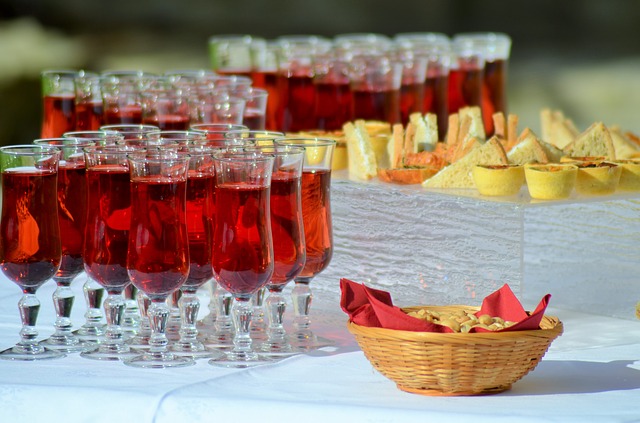
Accordingly, we can understand how Chazal instructed us to be happy: they commanded us to express physical, external joy, which in turn brings about inner simcha. This is why on Purim we are instructed to drink wine, as the Gemara states that happiness is accompanied by meat and wine. Similarly, the abundance of uplifting music and festivities at this time of year is not for their own sake, but to awaken joy within our hearts.
Thus, the poskim emphasized increasing physical acts of joy. The Steipler would drink more wine throughout the month of Adar, while the Rogatchover encouraged experiencing joy through food and drink. Other poskim advised that each person should engage in whatever brings him the greatest happiness.
The Chatam Sofer (Ketubot 8a) adds another dimention:
“The term sason is more fitting for spiritual joy, whereas simcha refers to physical joy. Therefore the verse ‘The Jews had light and simcha and sason and honor’ is interpreted as follows: simcha refers to festivals, as it is written ‘You shall rejoice on your festival’ — bodily joy through eating, drinking, and clean garments, even though it is done for the sake of Heaven, it is still physical joy. Sason refers to circumcision, as it is written ‘I rejoice (sas) over Your word’ — which is certainly spiritual joy, even though there is pain for the infant.”
This can also be applied to the present time: by expressing physical joy through drinking wine, singing, and dancing, we can penetrate our hearts and cultivate genuine happiness.
The Gemara (Sukah 48) recounts a curious argument between two named Sason and Simcha. They debated which was superior, each citing a pasuk in which his name appears first. Understanding their argument ties in well with our discussion. Sason claimed he was superior because a certain pasuk mentions his name first, while Simcha responded with the opposite, citing a pasuk where his name appears first.
The explanation, as we discussed above, is that each was arguing over the proper order to achieve happiness — whether it is by enhancing inner joy (simcha) or by expressing it externally (sason).
Not everyone agrees with the Malbim’s explanation. In Sefer Shaarei Orah, he presents the opposite view: that simcha is external, while sason is internal. According to this perspective, the commandment to be happy in Adar becomes much simpler, as one need only engage in external acts that express joy.
There are different terms in Lashon HaKodesh that describe joy. Among them are simcha and sason. When we understand the distinction between these two, we gain insight into the questions above.
The Malbim (Sefer HaKarmel) explains simcha is inner happiness, while sason is expressed externally. He writes:
“Sason denotes revealed joy expressed through signs and actions that display happiness. Yet sometimes there can be sason without simcha — for example, one who wears festive clothing, with drum and harp before him, while inwardly his soul mourns. And there can be simcha without sason — such as one dressed in mourning clothes while his heart inwardly rejoice”.
The Malbim further explains that after a person experiences inner joy, he naturally proceeds to express it outwardly: “The usual order is simcha and then sason, for the inner joy precedes and afterward produces outward sason when the joy bursts forth”.
Now that we understand that simcha refers to inner joy, the question becomes even stronger: How can Chazal command a person to be happy? Either he feels it or he does not. If they had instructed one to display sason, which is the external expression of joy, that could be imitated — like a clown who makes everyone laugh while he himself is sad. But the instruction here is to attain simcha, an inner state of happiness.
The answer, however, emerges from the continuation of the Malbim’s words:
“Sometimes sason precedes simcha, because joy can result from sason: one who intends to attain joy may first prepare external signs that broaden the spirit and awaken happiness.”
This means that inner simcha can be cultivated through outward acts of joy. The Sefer HaChinuch similarly teaches that the heart follows the actions.
Accordingly, we can understand how Chazal instructed us to be happy: they commanded us to express physical, external joy, which in turn brings about inner simcha. This is why on Purim we are instructed to drink wine, as the Gemara states that happiness is accompanied by meat and wine. Similarly, the abundance of uplifting music and festivities at this time of year is not for their own sake, but to awaken joy within our hearts.
Thus, the poskim emphasized increasing physical acts of joy. The Steipler would drink more wine throughout the month of Adar, while the Rogatchover encouraged experiencing joy through food and drink. Other poskim advised that each person should engage in whatever brings him the greatest happiness.
The Chatam Sofer (Ketubot 8a) adds another dimention:
“The term sason is more fitting for spiritual joy, whereas simcha refers to physical joy. Therefore the verse ‘The Jews had light and simcha and sason and honor’ is interpreted as follows: simcha refers to festivals, as it is written ‘You shall rejoice on your festival’ — bodily joy through eating, drinking, and clean garments, even though it is done for the sake of Heaven, it is still physical joy. Sason refers to circumcision, as it is written ‘I rejoice (sas) over Your word’ — which is certainly spiritual joy, even though there is pain for the infant.”
This can also be applied to the present time: by expressing physical joy through drinking wine, singing, and dancing, we can penetrate our hearts and cultivate genuine happiness.
The Gemara (Sukah 48) recounts a curious argument between two named Sason and Simcha. They debated which was superior, each citing a pasuk in which his name appears first. Understanding their argument ties in well with our discussion. Sason claimed he was superior because a certain pasuk mentions his name first, while Simcha responded with the opposite, citing a pasuk where his name appears first.
The explanation, as we discussed above, is that each was arguing over the proper order to achieve happiness — whether it is by enhancing inner joy (simcha) or by expressing it externally (sason).
Not everyone agrees with the Malbim’s explanation. In Sefer Shaarei Orah, he presents the opposite view: that simcha is external, while sason is internal. According to this perspective, the commandment to be happy in Adar becomes much simpler, as one need only engage in external acts that express joy.


הוסף תגובה
עוד מהרב שי טחן
עוד בנושא חגים וזמנים